 English
 Русский
 O'zbek

International Meeting on Innovative Climate-Resilient Technologies for Water Resources Management Held at Green University
- 21.01.2026
- 380
International Meeting on Innovative Climate-Resilient Technologies for Water Resources Management Held at Green University
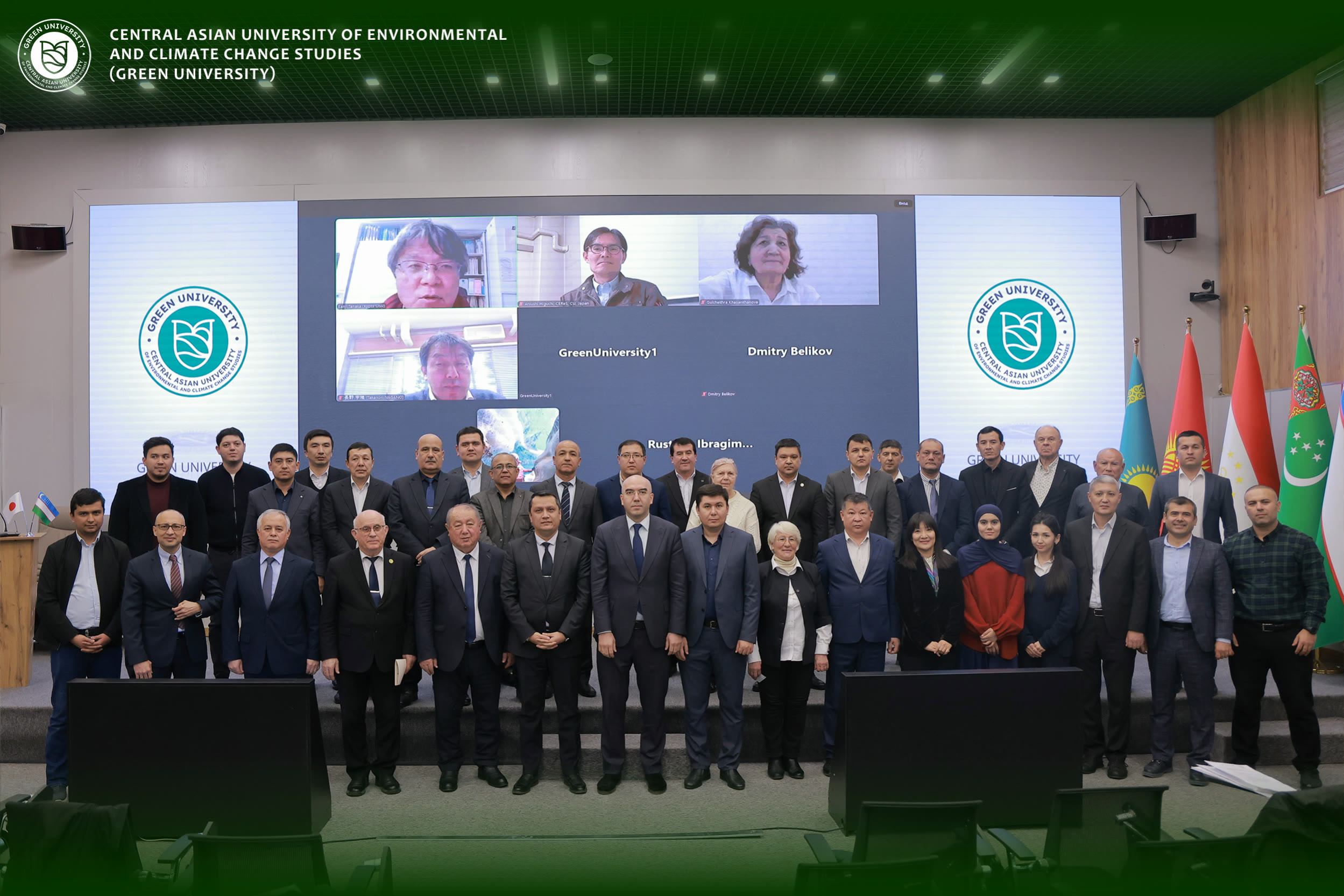
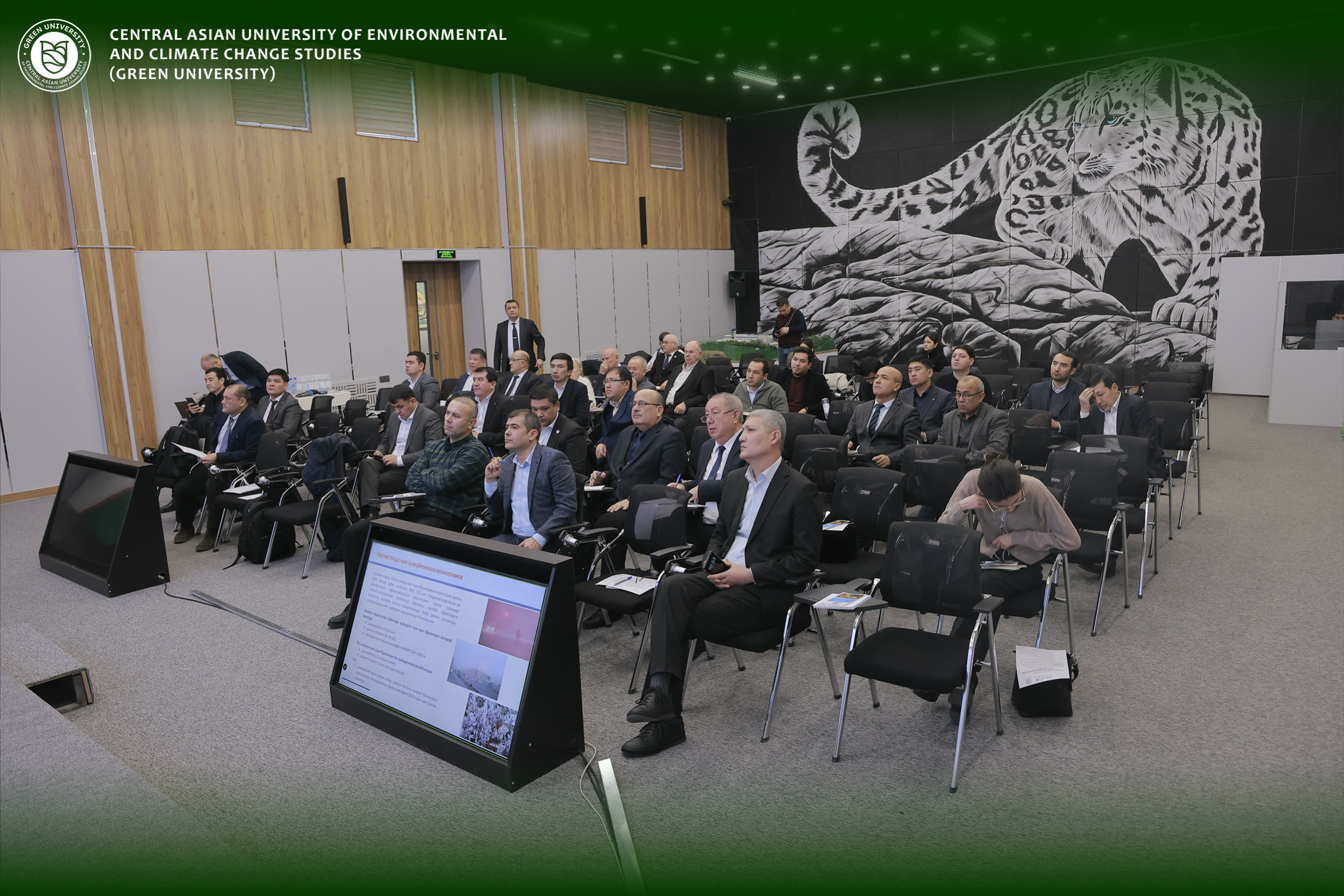
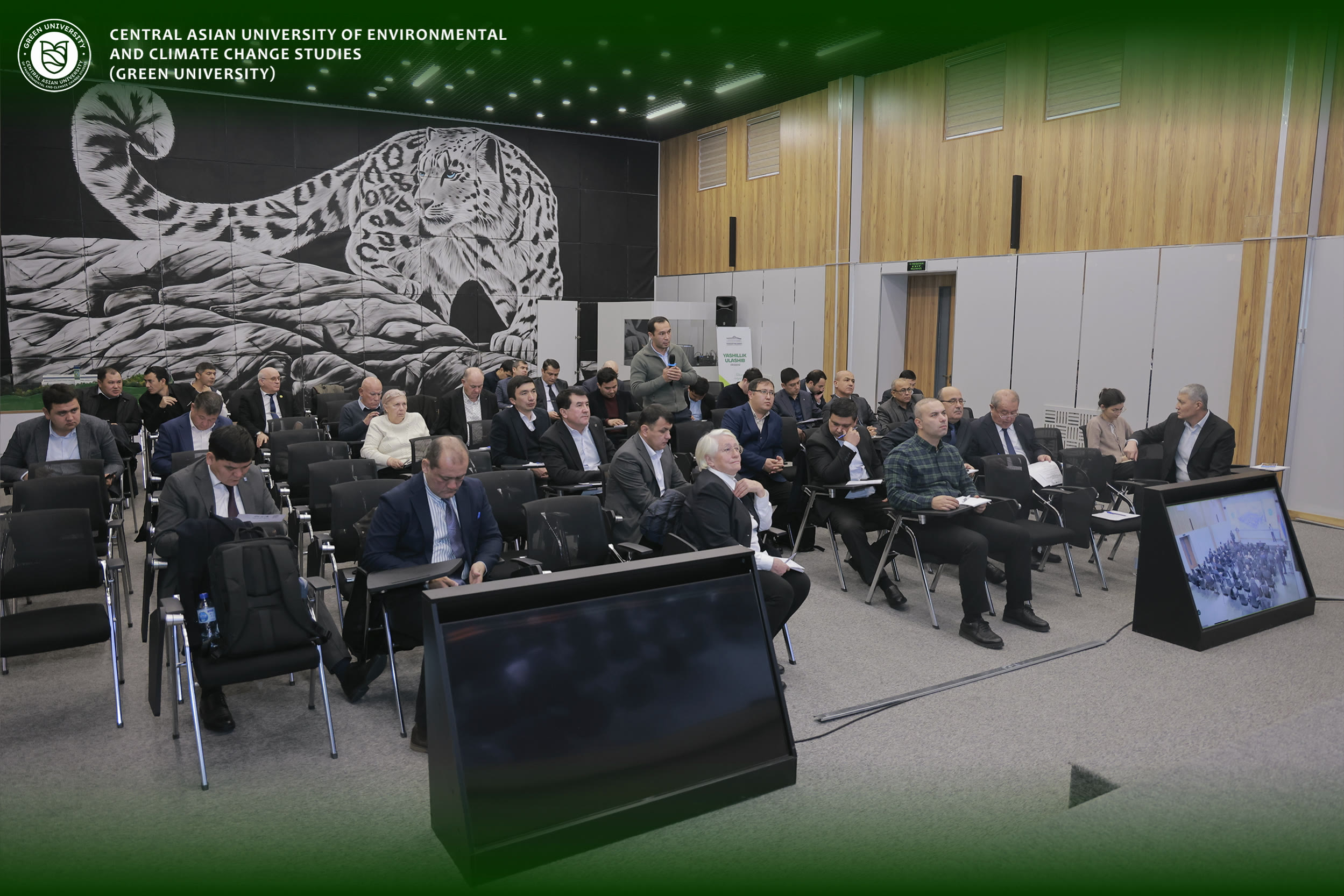
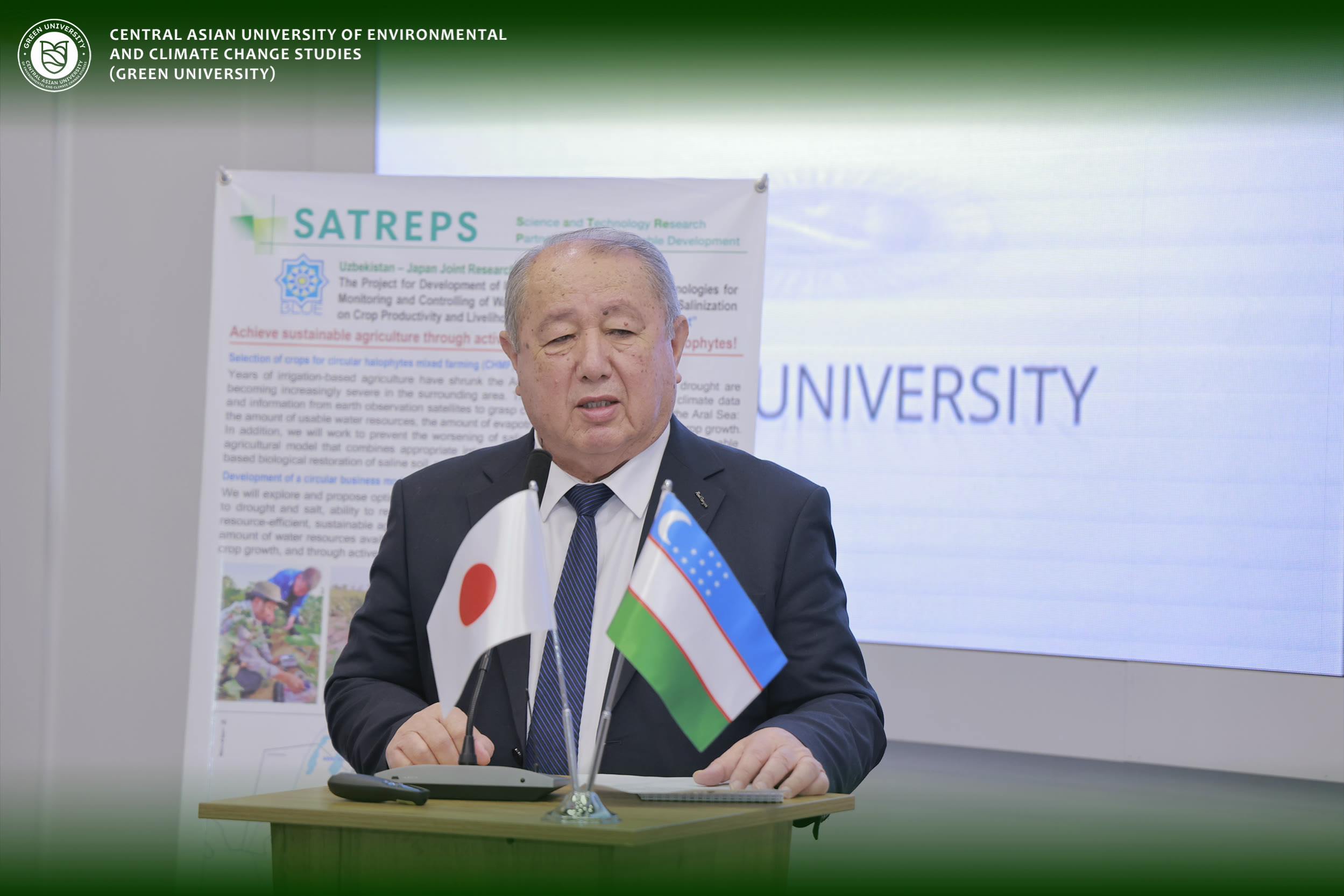
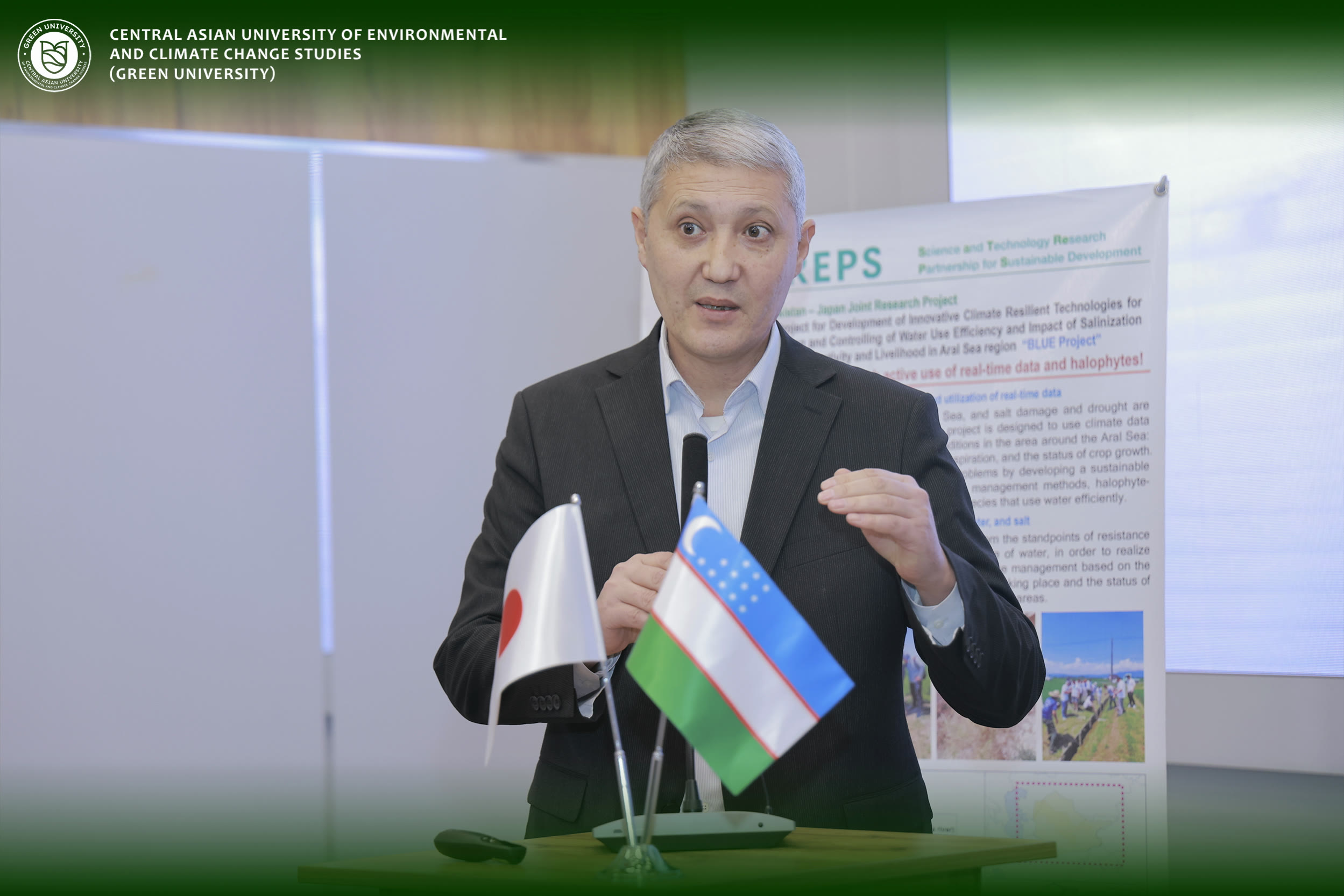
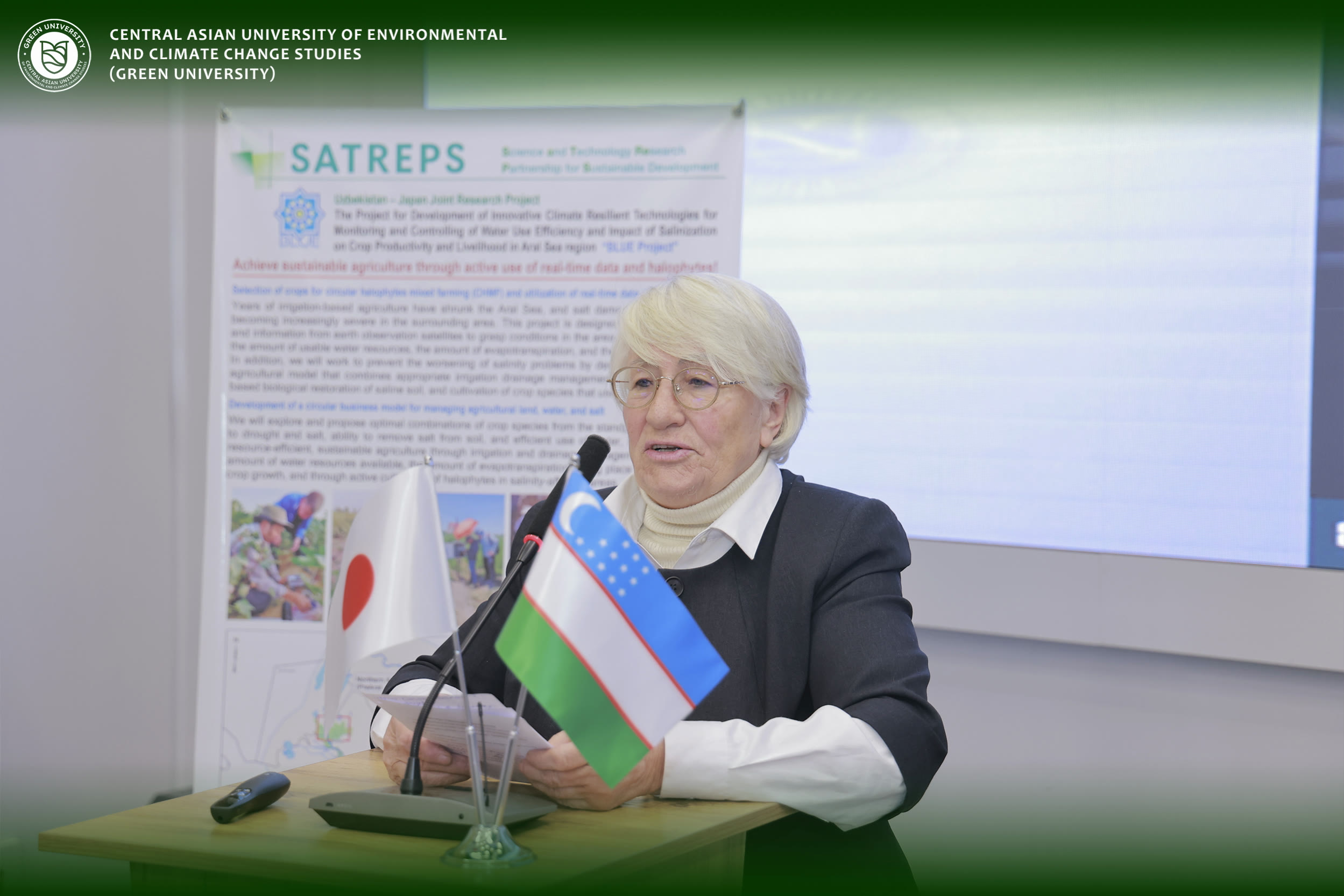
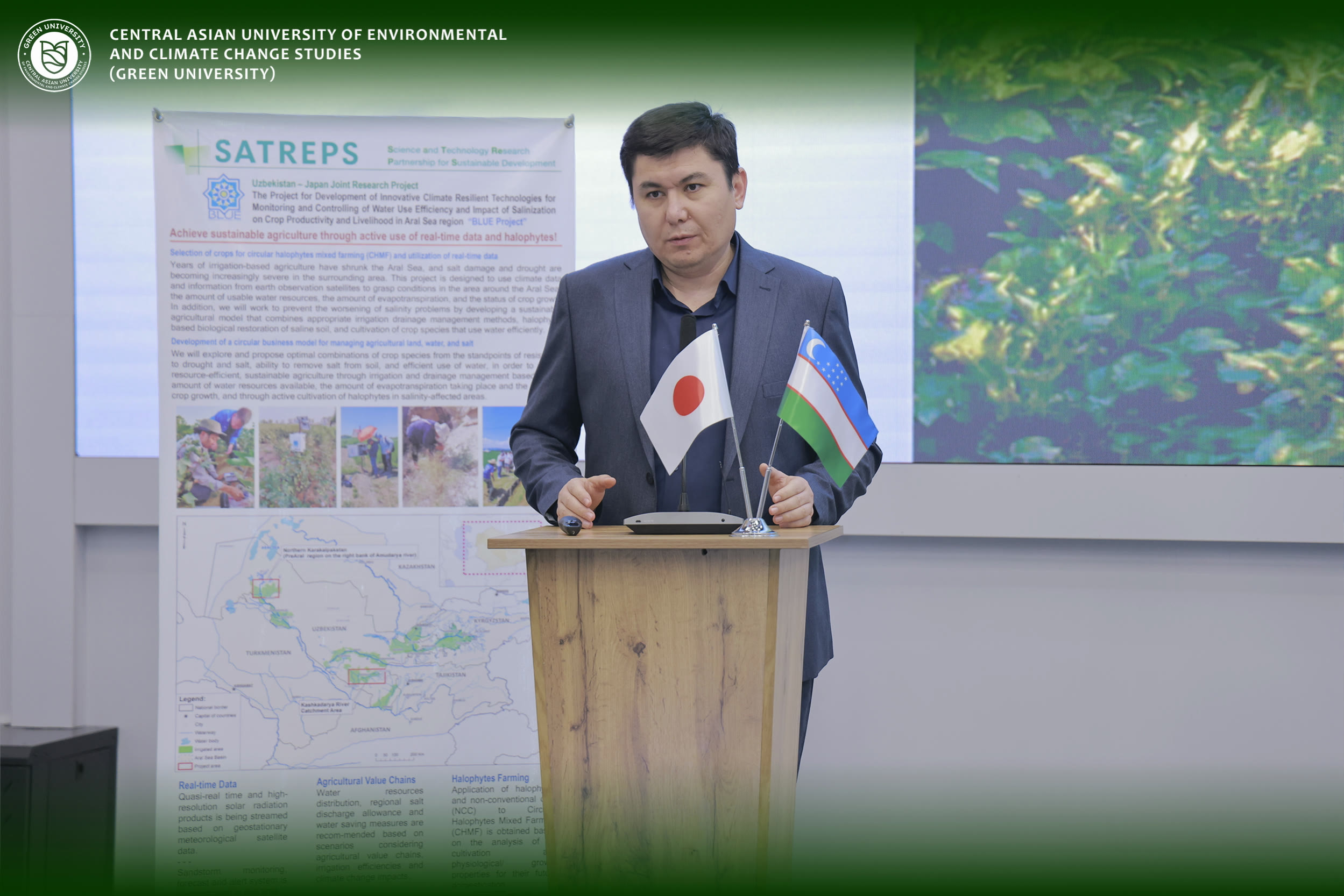
An international meeting dedicated to innovative climate-resilient technologies for water resources management was held at the Central Asian University of Environmental and Climate Change Studies (“Green University”). The event was organized by the Hydrometeorology Research Institute within the framework of the “BLUE” (SATREPS) project.
The event, organized in cooperation with the Ministry of Higher Education, Science and Innovation and the Agency for Innovative Development, focused on the topic “Development of innovative climate-adaptive technologies aimed at monitoring and managing water use efficiency in the Aral Sea Basin, as well as assessing the impact of salinization on agricultural crop productivity and the sustainability of livelihoods.”
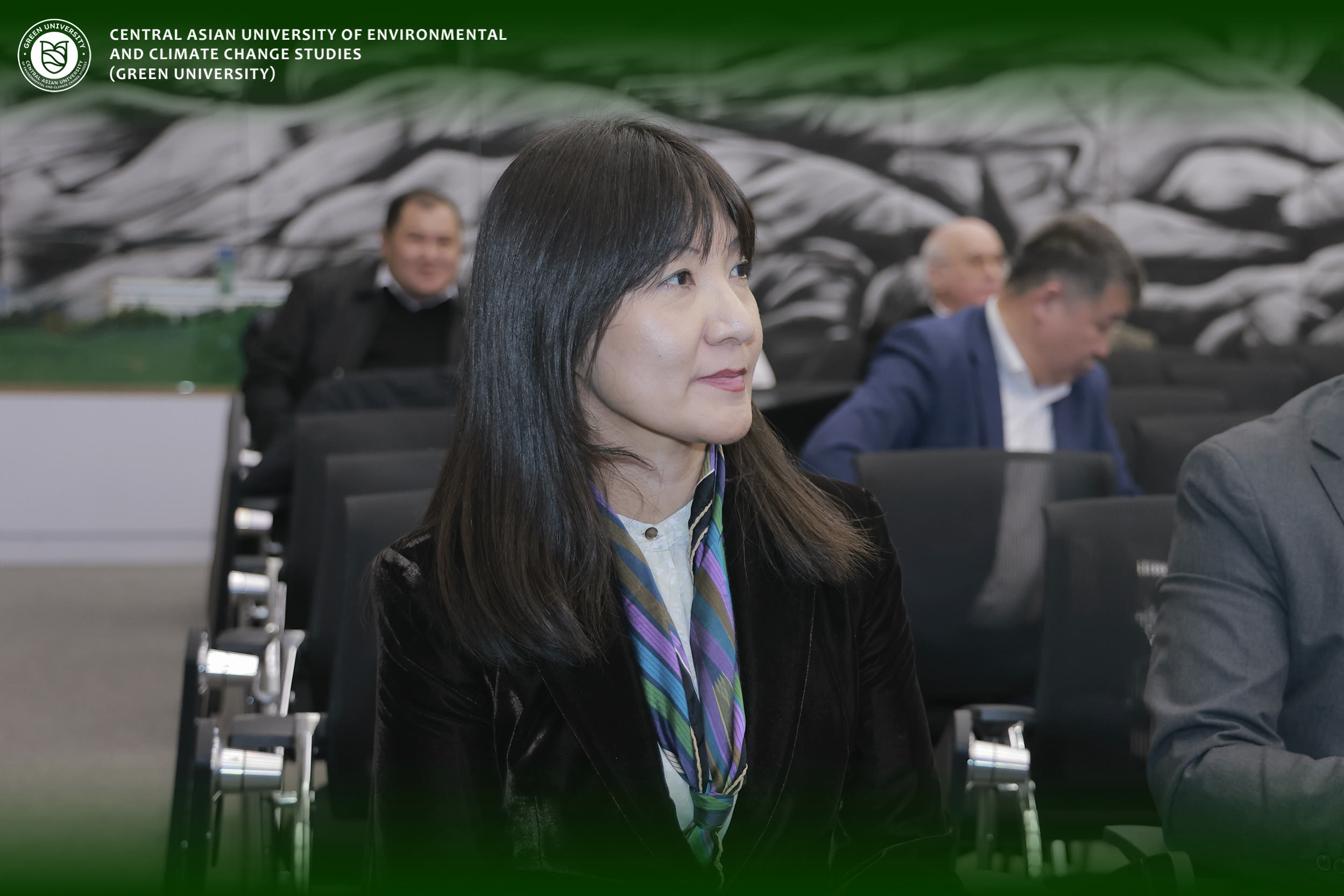
The meeting brought together leading scientists and experts from Uzbekistan and Japan, representatives of international organizations, sectoral research institutes, higher education institutions, as well as government bodies and relevant agencies. The discussions focused on advanced scientific developments, practical solutions, and prospects for introducing innovative technologies in the field of water resources management under climate change conditions.
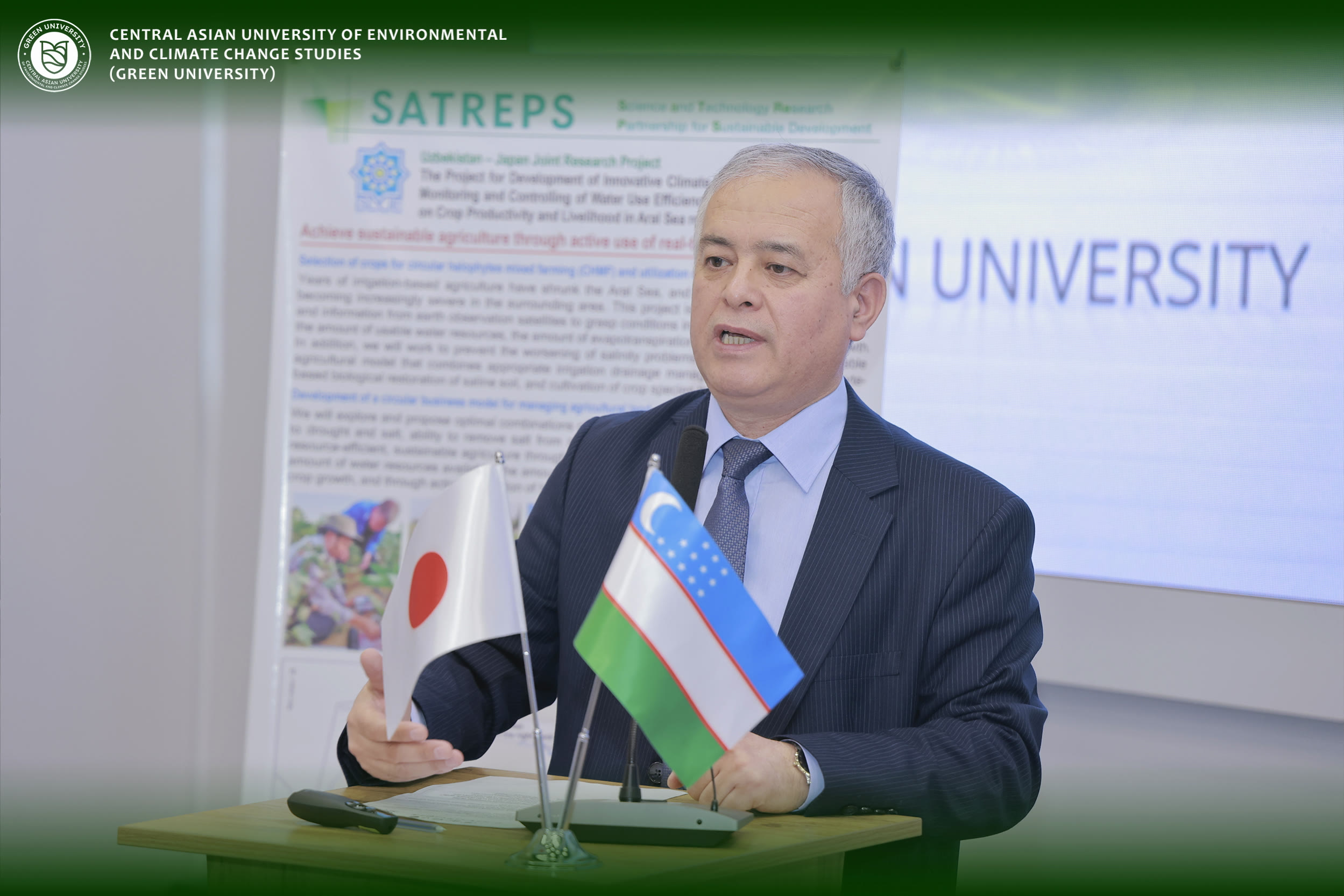
Opening the event, Rector of Green University, Professor Bakhtiyor Pulatov, emphasized that climate challenges such as water scarcity, land degradation, and soil salinization require the implementation of scientifically grounded and climate-adaptive solutions. He also noted the crucial role of international cooperation within the SATREPS program and the BLUE project in integrating scientific research into practical water resources management.
Within the program, participants discussed real-time solar radiation monitoring, drought detection and monitoring systems, observation of sand and dust storms based on ground-based and satellite data, water resources management issues in the Aral Sea Basin, as well as the development of a national groundwater model of the Republic of Uzbekistan based on the MODFLOW software package. Special attention was given to analyzing the results achieved under the BLUE project, identifying scientific and practical gaps, determining priority areas for further research and experimental development, and introducing project outcomes at the level of local authorities and agricultural producers.
Project Coordinator Yoshiko Ozawa noted that the project results would be presented to the public and policymakers, followed by discussions on how to utilize these outcomes and address challenges related to land and water resource management.
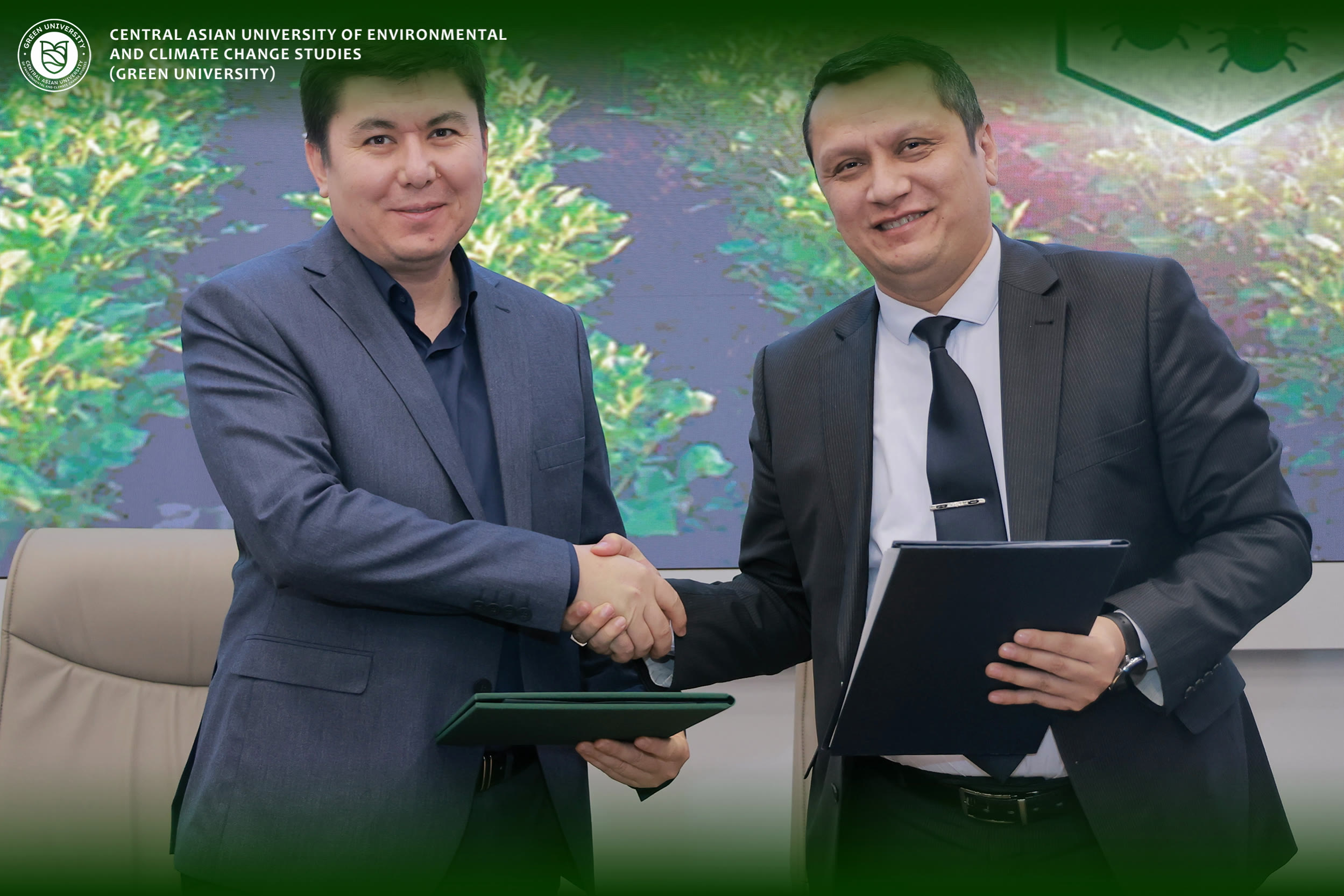
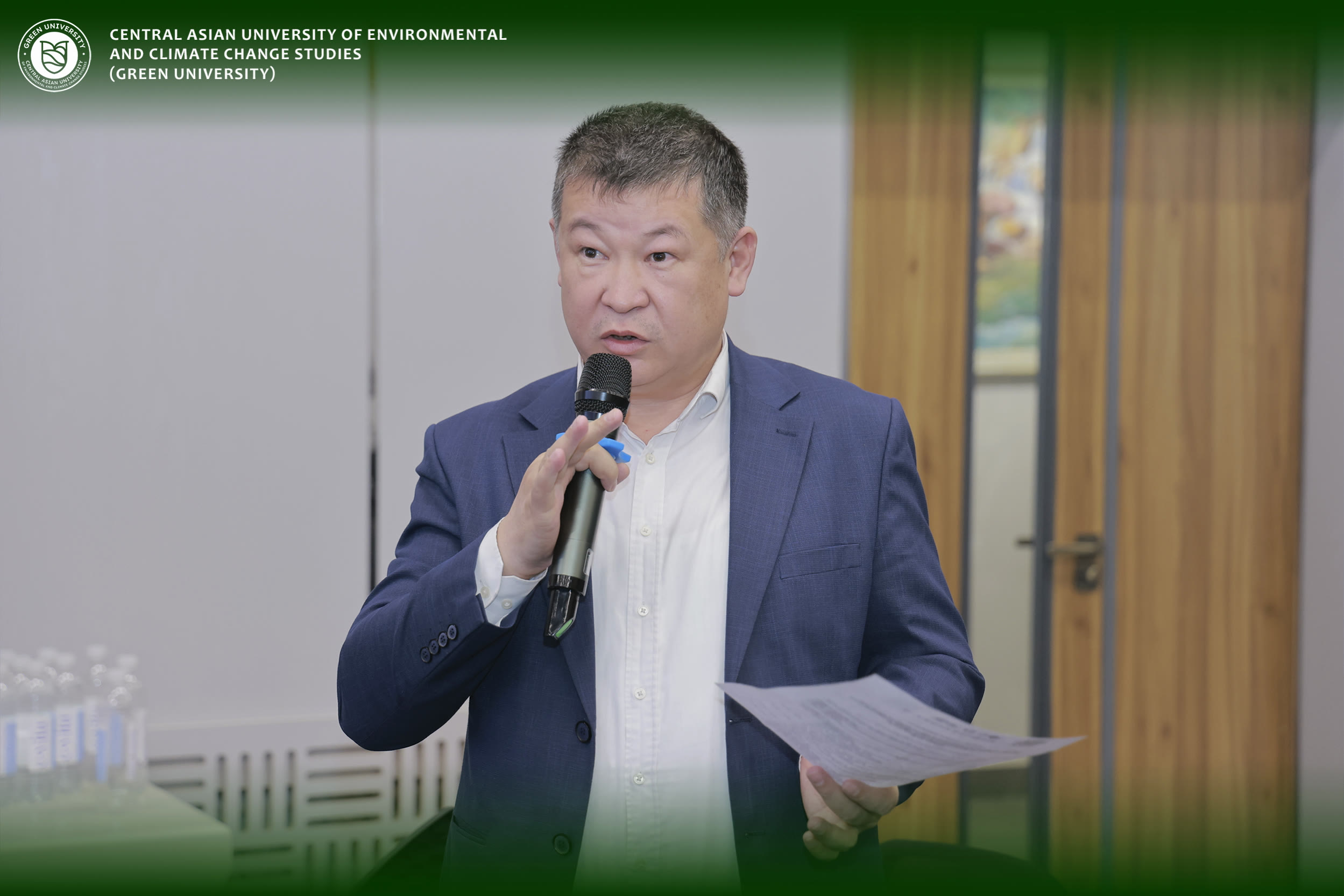
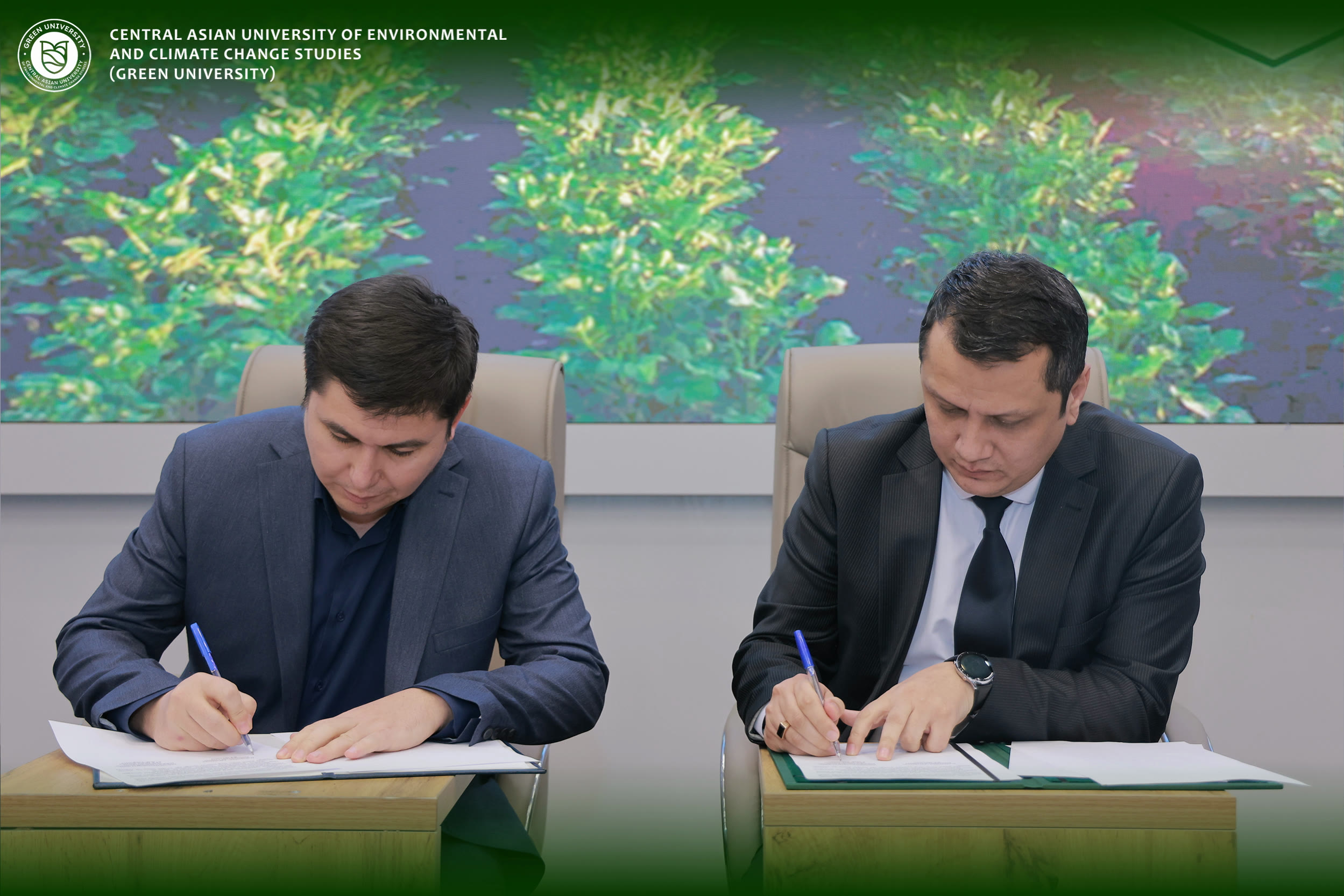
As part of the event program, a panel discussion involving stakeholders was held. The discussion covered issues related to data exchange, real-time monitoring systems, implementation of climate-adaptive technologies, and the development of sustainable development scenarios for the Aral Sea region. At the conclusion of the event, a Memorandum of Cooperation was signed between the Uzbekistan “Agrobusiness Association” and the Hydrometeorology Research Institute.
The “Agrobusiness Association,” which provides legal support to nearly 30,000 farmers across the country, has established an agrometeorological service system for farmers, landowners, and gardeners in cooperation with the Hydrometeorology Research Institute through the Telegram bot @agro_meteo_bot. The Association’s Director emphasized that integrating such scientific products into the platform would make it possible to address national food security challenges using modern scientific and innovative approaches. He also noted that scientific developments in the hydrometeorology sector could be more rapidly transferred into practice through this system.
The event is expected to serve as an important platform for strengthening dialogue between the scientific community, government institutions, and international partners, as well as to make a meaningful contribution to the development of sustainable solutions for water resources management and climate change adaptation in the Aral Sea region.
Green University Hosted International Dialogue on “Peace, Water and Sustainable Devel…
reen University Presents a Letter of Appreciation to Yusufkhan Maksumov
A Meeting on Advancing Research and Strengthening Cooperation Held at Green Universit…
Green University Staff Started the Day with Health and Energy!
Green University Participated in the China–Central Asia Scientific Dialogue and the 9…
A Legal Awareness Event Held at Green University
