
Climate change has become one of the most pressing challenges facing humanity today. Its consequences are not confined to the environment. They directly affect economic development, water and food security, public health, energy, migration, and social stability. Accordingly, the issue of combating climate change has acquired a broader meaning, becoming closely linked with human interests and the fate of future generations.
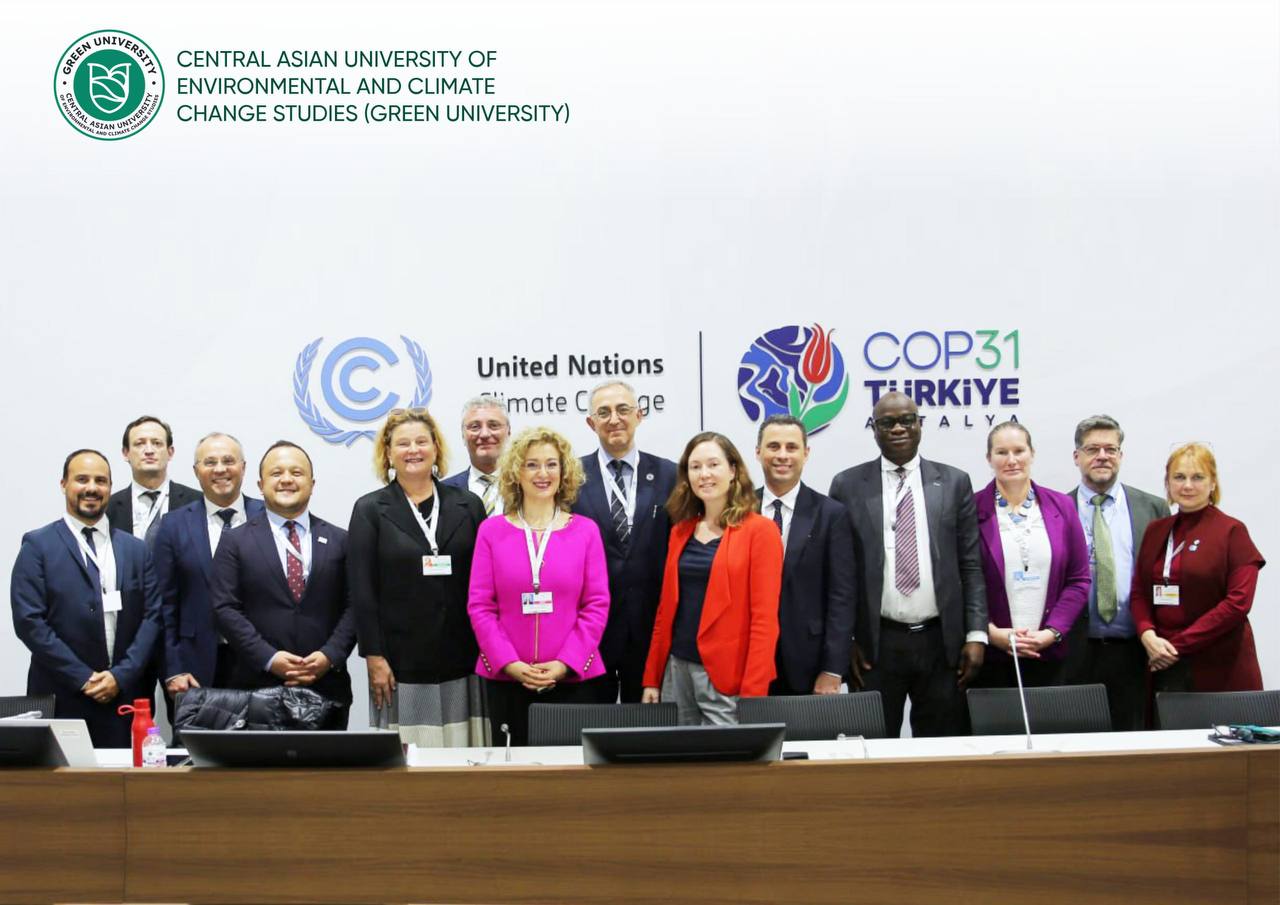
In this context, the 31st session of the Conference of the Parties to the UN Framework Convention on Climate Change (COP31), held in Antalya, Türkiye, from 9 to 20 November, serves as an important forum not only for discussing international climate commitments but also for translating them into concrete initiatives, investments, and practical results.
Uzbekistan's participation in the conference is significant precisely because it is directed toward these objectives. In addition to stating its position on pressing issues of the global climate agenda, our country is advancing proposals aimed at sharing national experience, developing regional initiatives, and strengthening international cooperation.
Climate Policy as a Factor of Human Interests and Development
On 11 November, the President of the Republic of Uzbekistan, Shavkat Mirziyoyev, participated in the plenary session of the World Leaders Summit held within the framework of COP31, once again demonstrating our country's active position in global climate processes.
In his address, the Head of State emphasized that Uzbekistan consistently supports global climate initiatives, and that its national development strategy gives priority to environmental sustainability, the broad introduction of "green" technologies, and the rational use of natural resources.
Notably, Uzbekistan achieved ahead of schedule its target of reducing greenhouse gas emissions per unit of gross domestic product by 35 percent. The goal has been set to raise this figure to 50 percent by 2035.
Efforts to introduce water-saving technologies, expand forested areas, carry out ecological restoration in the Aral Sea region, and improve the waste management system likewise demonstrate that the country's climate policy is steadily taking practical shape.
However, climate sustainability cannot be measured by environmental indicators alone. First and foremost, it means creating the conditions necessary for people to live in dignity, preserve their economic opportunities, and look to the future with confidence.
For this reason, environmental education and upbringing, and the cultivation of a responsible attitude toward nature among the younger generation, are becoming an important component of national climate policy. The fact that young people make up a large share of our population means that developing an environmental culture is both a task for today and a valuable investment in long-term development.
Shared Challenges for Central Asia, Joint Solutions
Climate change does not recognize administrative borders. Glacier retreat, changes in water flows, drought, and dust storms pose common risks to the whole of Central Asia. Strengthening coordination and cooperation in the climate policies of the countries of the region is therefore of particular importance.
The initiative put forward by the President of Uzbekistan to develop a Climate Integration Model for Central Asia stems from this necessity. The Model covers such areas as establishing the exchange of climate data, expanding cooperation in environmental technologies, and improving mechanisms for financing climate projects.
The practical significance of such cooperation is that the countries of the region will be able to manage climate risks not separately but on the basis of shared interests and opportunities.
In this regard, initiatives such as establishing, in cooperation with the World Meteorological Organization, a regional center in Tashkent for monitoring and forecasting dust and sand storms, improving early warning systems, and enhancing the quality of meteorological forecasts through artificial intelligence are of great importance.
Likewise, developing international scientific infrastructure for studying climate risks and monitoring air quality will help build a reliable database for the region.
Climate Finance: From Funds to Results
Effective action against climate change requires financial resources alongside political will and advanced technologies. Expanding opportunities for international financing is an urgent task, particularly for developing countries that are vulnerable to climate risks.
It is no coincidence that special attention was paid at COP31 to developing cooperation with international climate funds. Uzbekistan seeks to attract additional resources for climate projects by expanding cooperation with the Global Environment Facility, the Green Climate Fund, and the Adaptation Fund, and by developing ties with other international financial mechanisms.
In this respect, the initiative to establish a "5+5" dialogue platform between the Central Asian countries and five major international climate funds deserves attention. This mechanism could make it possible to coordinate investment priorities, implement projects in a mutually complementary manner, and use financial resources effectively.
The principal criterion here should be not the volume of funds attracted but their tangible impact on people's lives. The true effectiveness of climate investments should be assessed by such indicators as how much water has been saved, how much land has been restored, to what extent incomes have increased, and how much the resilience of local communities to climate risks has been strengthened.
The initiatives advanced by Uzbekistan serve to foster precisely such a results-oriented approach.
The Aral Sea Region: Experience in Ecological Recovery and Human Security
The Aral Sea region is one of the areas that most clearly demonstrates the impact of climate change and ecological crisis on human life. Environmental problems here are directly linked to public health, water and food security, employment, and quality of life.
For this reason, initiatives aimed at restoring the Aral Sea region must go beyond protecting the natural environment and must also encompass human security and the expansion of economic opportunities.
The UN Multi-Partner Human Security Trust Fund for the Aral Sea Region, established in 2018 on the initiative of Uzbekistan, has become one of the important mechanisms of international cooperation in this area. In the first phase of the Fund, USD 16.2 million was mobilized, and projects were implemented in eight districts of the Republic of Karakalpakstan, reaching more than 293,000 direct beneficiaries.
The second phase, planned through 2030, envisages a transition from individual projects to comprehensive programs that deliver long-term results. The commitment of the Government of Uzbekistan to allocate USD 5 million for this phase likewise reflects national responsibility and a determination to bring together international cooperation.
It is important that such areas as water resource management, climate-resilient agriculture, public health protection, the creation of new sources of income, and the development of vocational skills be implemented within a single, mutually complementary approach in the Aral Sea region.
At the same time, the intensification of climate-induced migration has become one of the serious problems of the region. Water scarcity, land degradation, and extreme weather events are affecting people's living conditions and livelihoods.
In this regard, the signing at COP31 by the countries of Central Asia and the South Caucasus of the "Silk Road" Declaration on Human Mobility in the Context of Climate Change is of considerable importance. The document creates new opportunities to strengthen regional dialogue, protect vulnerable groups of the population, and integrate climate-related migration issues into national strategies.
Climate Resilience: A Healthy Society and a Protected Generation
One of the most serious consequences of climate change is its impact on human health. Rising temperatures, longer periods of extreme heat, declining water resources, and air pollution are placing new demands on health care systems.
Women, children, the elderly, and groups in need of social protection are considered particularly vulnerable to climate risks. It is therefore important to take gender equality and demographic factors into account when developing climate adaptation programs.
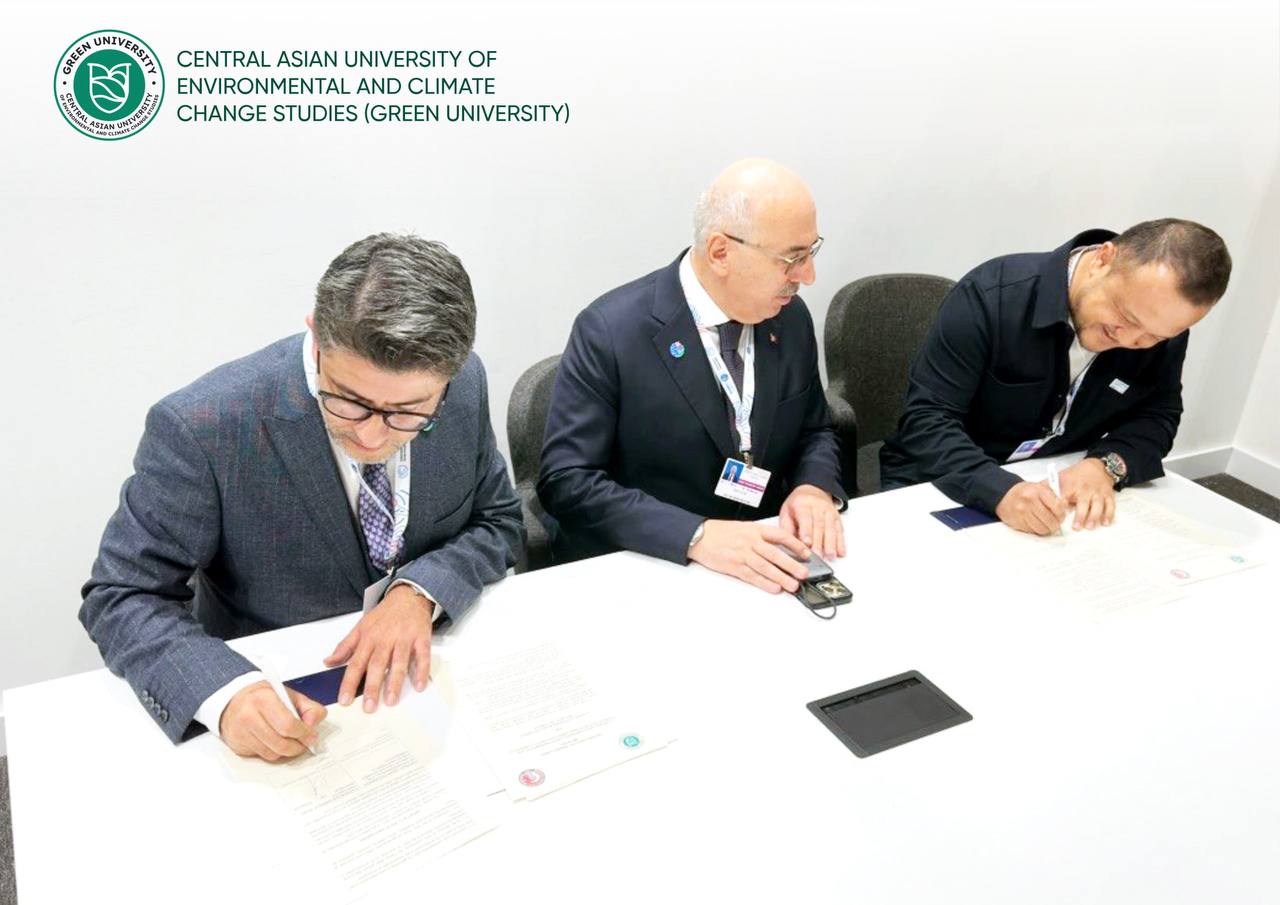
The signing at COP31 of a Memorandum of Understanding between the Global Green Growth Institute (GGGI) and the United Nations Population Fund (UNFPA) will contribute to the development of cooperation in this area. In particular, developing climate-adapted maternal health services in Karakalpakstan, expanding women's economic opportunities, and increasing the resilience of medical infrastructure have been identified as priority tasks.
The mental health of young people must not be overlooked in this context. Climate anxiety, natural disasters, drought, and environmental change can affect the psychological well-being of the younger generation. It is therefore important to expand access to psychological support, involve young people in climate decision-making processes, and support their initiatives.
Accordingly, climate policy must address not only people's physical health but also their mental health and social well-being.
Land, Water, and Industry: Practical Pathways to a "Green" Economy
One of the key conditions for ensuring climate sustainability is the rational use of natural resources. Amid growing water scarcity and land degradation, developing agriculture on the basis of modern technologies is of strategic importance.
The experience of the "FOLUR-Uzbekistan" project, presented at COP31, offers practical solutions in this area. By reducing tillage, introducing no-till technology, diversifying crops, and improving farmers' knowledge and skills, it is possible to preserve the fertility of agricultural land and strengthen its resilience to climate change.
Innovative solutions such as rainwater harvesting, the creation of seasonal water reserves, and "Ice Stupa" artificial glaciers are also opening new opportunities in water resource management. If adapted to local conditions, such approaches can help improve water supply and restore ecosystems in arid areas.
At the same time, decarbonizing industry is an important direction of the transition to a green economy. In particular, increasing energy efficiency in cement production, using alternative fuels, conserving resources, and introducing waste recycling technologies help reduce greenhouse gas emissions.
In this process, the harmonious combination of public policy, private investment, advanced technologies, and international financial support is of decisive importance.
A Platform for Experience, Dialogue, and New Initiatives
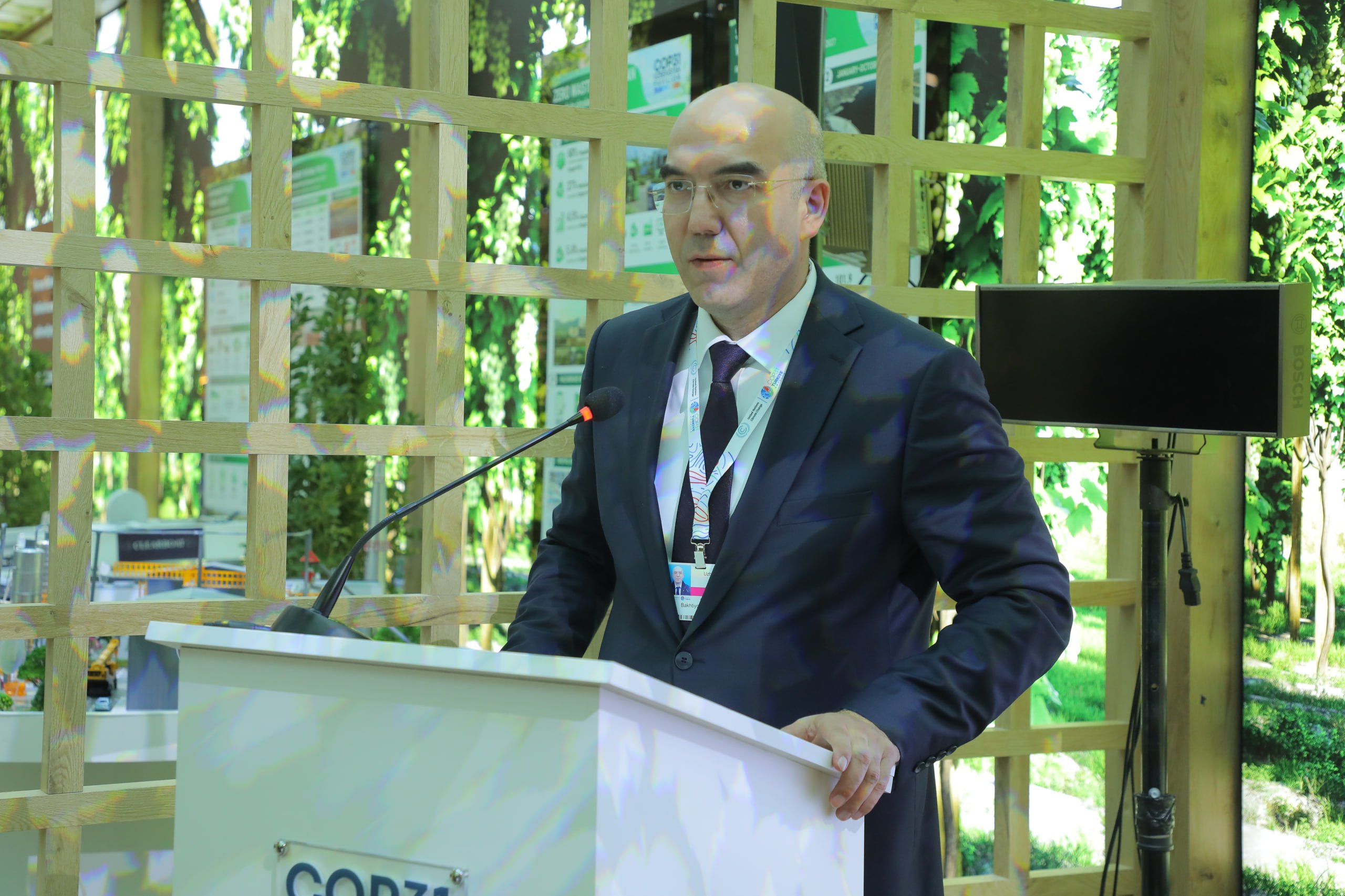
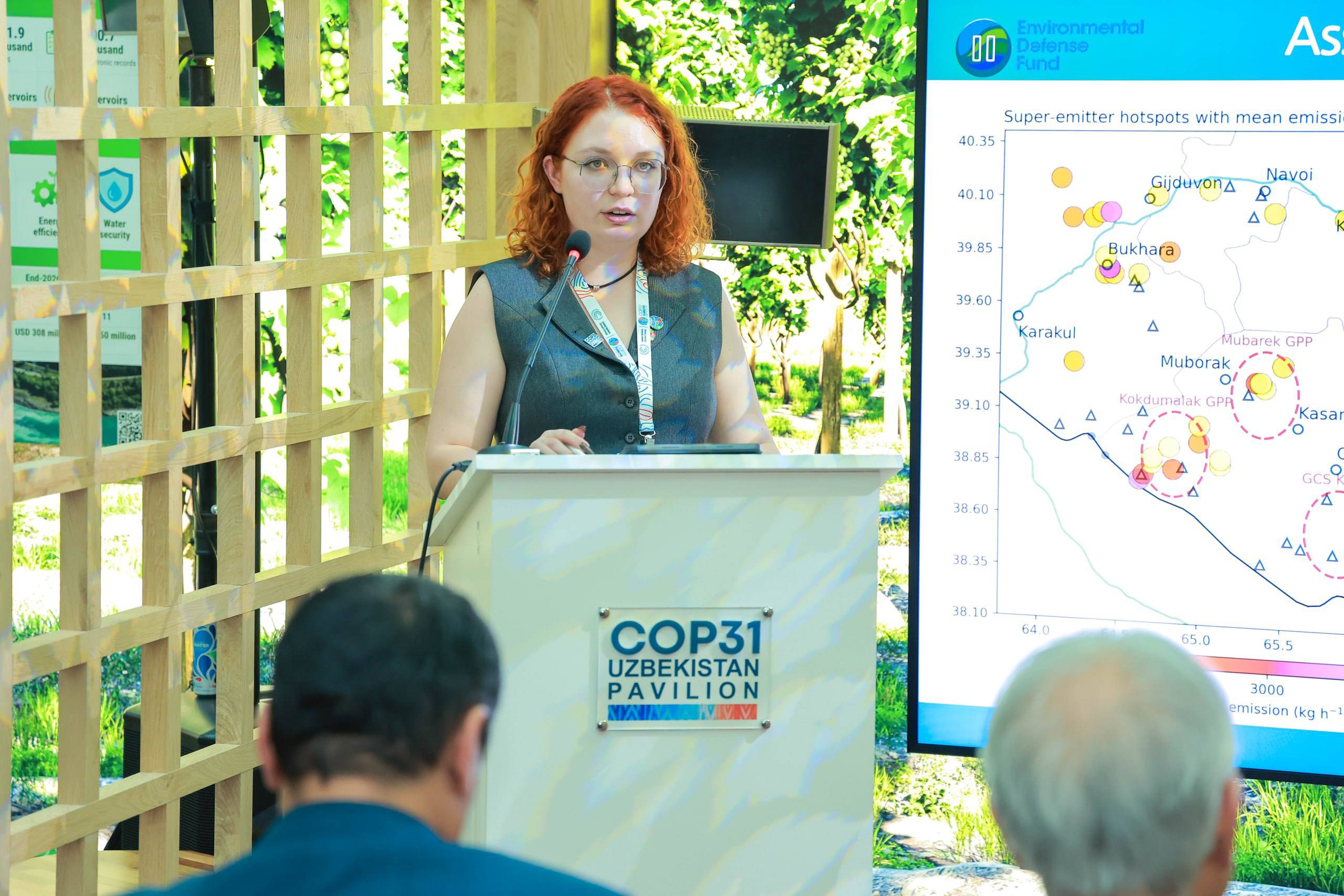
The activities of the National Pavilion of Uzbekistan at COP31 serve both to present our country's environmental and climate initiatives to the international community and to advance practical cooperation.
The pavilion, organized around the concept "Uzumzor: The Legacy of the Past, the Solution of the Present, the Inspiration of the Future," blends national traditions with modern environmental approaches. The country's priority environmental areas are showcased through such initiatives as "Green Space," "Clean Air," "Zero-Waste Territory," "Biological Heritage," and "Environmental Culture," as well as through the activities of "Green University."
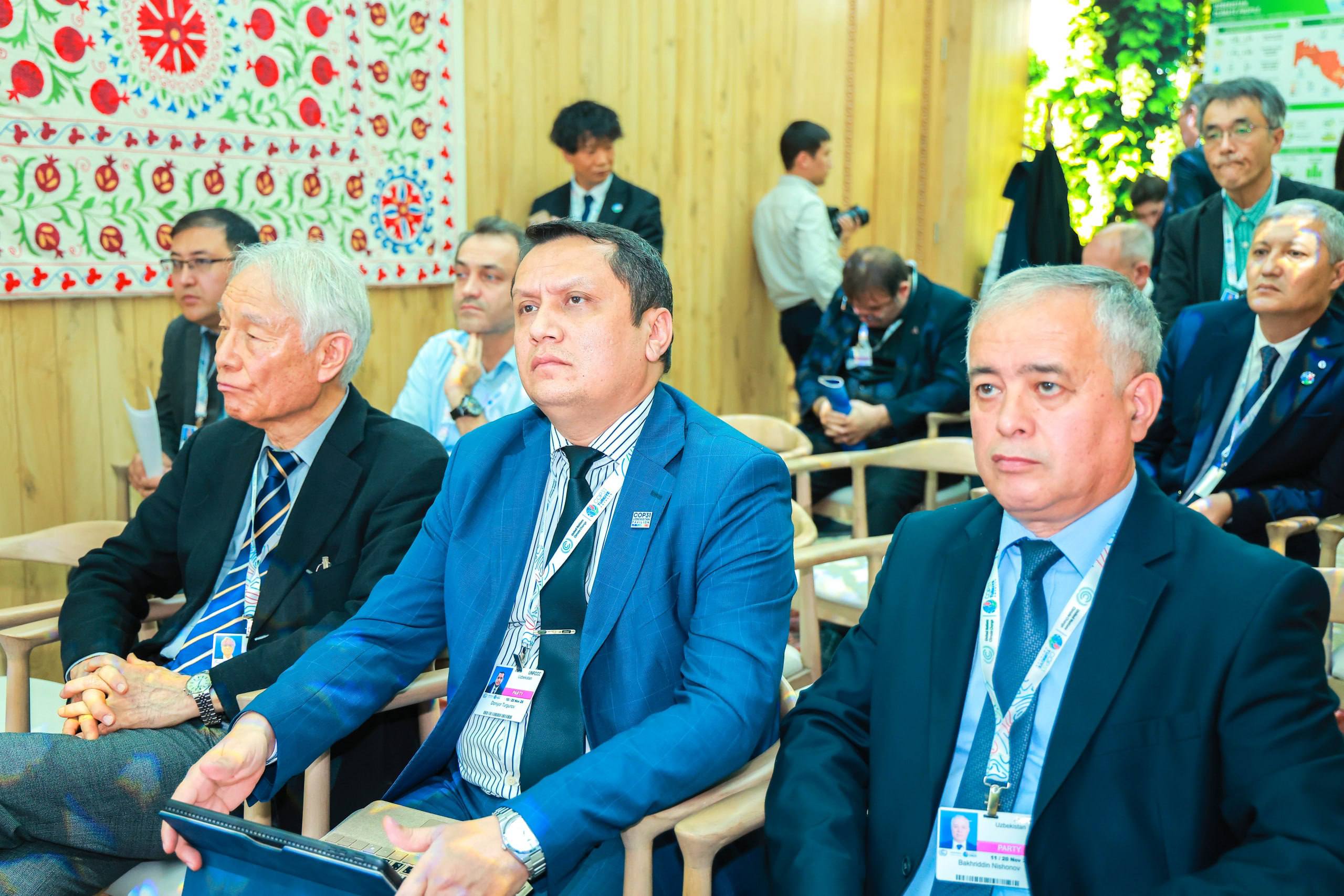
More than 40 thematic events held at the pavilion, together with meetings with international organizations and financial institutions, are enriching Uzbekistan's participation in the climate agenda with practical substance.
The significance of these dialogues is not limited to the exchange of experience. They also create an important opportunity to attract new investment, develop scientific and technological cooperation, advance regional initiatives, and build long-term partnerships.
In this sense, the international exhibition "Eco Expo Central Asia 2027," planned to be held in Tashkent in 2027, may also become an important platform bringing together environmental technologies, investments, and innovative solutions in the region.
Shared Responsibility and Practical Action
The initiatives advanced by Uzbekistan at COP31 demonstrate one important truth: measures confined to individual sectors are not sufficient to combat climate change effectively. Policies on water, energy, agriculture, health care, industry, urban planning, and social protection must develop in harmony with one another.
International cooperation, regional solidarity, a science-based approach, and the pooling of financial resources play an important role in this process. Above all, the interests of people must be at the center of the decisions taken and the projects implemented.
Indeed, climate sustainability is not merely about reducing emissions or planting trees. It means providing the population with clean water, protecting health, creating decent sources of income, preserving natural resources for future generations, and ensuring the economic resilience of regions.
From this perspective, Uzbekistan's participation in COP31 can be assessed as an important step aimed at aligning the country's national environmental reforms with global and regional cooperation. The main task now is to translate the initiatives put forward into concrete projects, strengthen their financial and institutional foundations, and make the results achieved clearly visible in people's lives.
A "green" future does not take shape on its own. It is built through responsible decisions taken today, consistent reforms, and joint practical action.
It should be noted that, in accordance with the programme of the UN Climate Change Conference, each day of the international forum is devoted to specific priority areas of the climate agenda. Issues under discussion include ensuring food security, protecting agriculture and public health, decarbonizing the energy and transport sectors, developing the circular economy and reducing waste, building sustainable cities and infrastructure, and financing climate action and attracting green investment.
Particular attention is given to enhancing the potential of young people, developing education and environmental competencies, supporting science, industry, and innovative technologies, protecting nature, biodiversity, forests, and aquatic ecosystems, and to social development, sustainable tourism, and a just transition. In addition, strengthening countries' capacity to combat climate change, attracting investment, and developing and advancing practically significant climate projects are among the conference's key areas.
The discussions at COP31 will contribute to expanding international cooperation, attracting investment in environmental projects, and exchanging experience in water conservation, ecosystem restoration, renewable energy development, and sustainable agriculture.
Author: Baxtiyor Pulatov, Rector of Green University, Professor.